

Integrated Physiotherapy & Japanese Acupuncture in Amsterdam
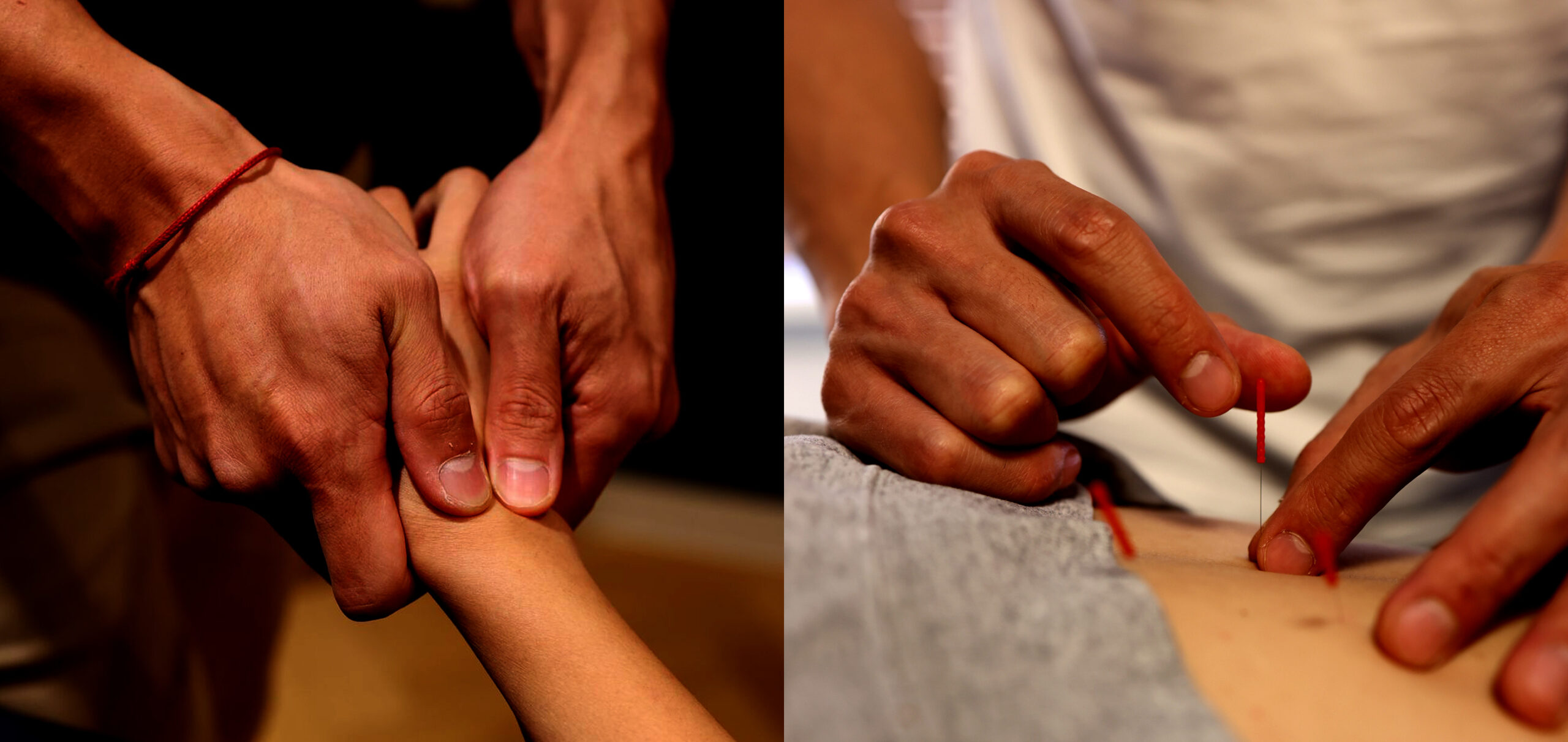
Integrated Physiotherapy & Japanese Acupuncture in Amsterdam
One Practice. Two Disciplines. A Single, Coordinated Treatment Plan.
Most clinics in Amsterdam offer either physiotherapy or acupuncture.
At Alter Physio & Acupuncture, both disciplines work side by side, under one roof, within a single treatment plan.
We are currently the only practice in Amsterdam that combines registered physiotherapy with traditional Japanese acupuncture as one integrated service. This is not a referral arrangement or a loose partnership. Assessments, treatment decisions, and progress are shared between practitioners working in the same space.
For many recurring problems—chronic pain, sports recovery, posture-related tension, stress, sleep disturbance—neither approach alone fully addresses the underlying picture. Combining them often does.
Why Integrate Physiotherapy & Japanese Acupuncture
Persistent symptoms rarely come from one source. They emerge from the interaction between three systems: mechanical, neurological, and circulatory. Treating only one of them often produces partial or short-lived results.
Mechanical factors. How joints move, how load is distributed, how muscles coordinate. Physiotherapy assesses and retrains these patterns through movement, manual work, and progressive exercise.
Neurological factors. Pain is generated by the nervous system, not the tissue alone. Protective tension, hypersensitivity, and altered motor control often persist long after the original injury has healed. Japanese acupuncture is particularly well suited to influencing these states because it works with light, precise stimulation rather than strong mechanical input.
Circulatory factors. Local blood flow, lymphatic drainage, and tissue recovery depend on autonomic regulation. When the nervous system is in a chronically guarded state, recovery slows. Acupuncture helps shift the body toward a parasympathetic, recovery-oriented state, which supports the mechanical work done in physiotherapy.
Used together, the two disciplines address what neither can fully resolve on its own.
In conventional care, a patient with persistent neck pain might see a physiotherapist for several months, then try acupuncture separately when results plateau. Each practitioner builds an independent picture, and there is no shared reasoning between them. Information is lost in the gap. When both disciplines belong to the same clinical conversation from the beginning, that gap disappears.
How the Combined Treatment Works
Integration does not mean stacking two separate services on top of each other. It means designing one plan that uses the right tool at the right moment.
Step 1 — Shared assessment. Your first session focuses on understanding the full picture: how you move, where pain is felt, how your nervous system is responding, your sleep, stress, and daily load. Both physiotherapy and acupuncture perspectives inform this assessment.
Step 2 — Integrated plan. Based on what we find, we decide together how to combine the two approaches. Some people benefit from alternating sessions; others receive both within the same visit. The balance shifts as your body responds.
Step 3 — Coordinated progress. Practitioners communicate directly about your case. If acupuncture reduces protective tension, the physiotherapy work can progress faster. If movement assessment reveals a load-management issue, the acupuncture treatment is adjusted accordingly.
This coordination is what makes the integration meaningful, rather than cosmetic.
In practice, the balance between disciplines shifts over the course of a treatment course. Early sessions often lean more heavily on acupuncture and manual work to reduce protective tension and improve recovery capacity. Later sessions tend to focus more on movement re-education and progressive load, with acupuncture used as needed to support that work. The plan evolves as the body changes.
Conditions That Benefit Most
The combined approach is most useful when a condition involves both physical and nervous-system factors. In our experience, this includes:
- Chronic pain — neck, back, shoulder, or hip pain that has not resolved with physiotherapy alone
- Sports recovery — slow healing, recurring strains, training overload
- Posture and movement issues — long-standing tension patterns linked to desk work, repetitive load, or stress
- Stress and sleep disturbance — physical symptoms that worsen during periods of high mental load
- Autonomic dysregulation — fatigue, tension headaches, digestive irregularity, or a general sense of being unable to recover
If a problem has not responded to a single-discipline approach, the missing factor is often in another system. Integration is designed for exactly this situation.
The approach is also relevant for people who want to stay well rather than recover from a specific injury. Office workers managing long hours of sitting, parents coping with sleep deprivation, and active people who want to maintain performance into their forties and fifties all benefit from a treatment model that addresses physical load and nervous-system state in the same conversation.
The Practitioners
Integration works only when the people delivering it have genuine expertise in both fields. At Alter Physio & Acupuncture, three practitioners cover the full scope.
Hide Kuwabara — Dutch-registered physiotherapist and licensed acupuncturist. Trained in both disciplines, Hide oversees integrated assessments and bridges the two approaches in clinical decisions.
Haruki Sakai— Japanese acupuncturist specialising in subtle, nervous-system-focused techniques. His work is particularly suited to chronic pain, stress-related tension, and autonomic regulation.
Soichiro Funo— Japanese acupuncturist with a background in sports and musculoskeletal cases. He focuses on recovery, post-injury support, and athletes who need treatment that complements active rehabilitation.
The combined expertise allows us to match each patient with the right practitioner for their situation, while keeping the overall plan coordinated.
Practitioners discuss complex cases between sessions and adjust the approach when something is not progressing as expected. This kind of internal review is difficult to arrange when physiotherapy and acupuncture are delivered at separate clinics, and it is one of the practical advantages of working within a single team.
What Makes Japanese Acupuncture Different
Acupuncture is not one single method. The Japanese tradition differs from the more widely known Chinese style in several practical ways.
Subtle stimulation. Japanese acupuncture uses thinner needles, shallower insertion, and gentler stimulation. For many patients, the sensation is barely noticeable. This makes it suitable for people who find stronger techniques uncomfortable or counterproductive.
Palpation-based approach. Point selection relies heavily on careful palpation of the skin, muscle, and abdomen, rather than fixed protocols. Each session is adjusted to what the body presents that day.
Nervous system focus. Rather than aiming for strong local effects, Japanese acupuncture emphasises regulation of the autonomic nervous system. This is why it pairs well with physiotherapy: it addresses the underlying state of the body, allowing mechanical work to take effect more easily.
For patients new to acupuncture, the Japanese style is often a more accessible starting point.
It also pairs naturally with physiotherapy because the two share a common emphasis on assessment over protocol. Both disciplines, at their best, respond to what the body is doing now rather than what a textbook predicts. This makes the combined approach particularly suitable for complex, long-standing, or unclear cases where a fixed protocol has already been tried.
Typical Session Flow
A typical integrated session lasts between 45 and 60 minutes and follows a consistent structure:
- Brief check-in. What has changed since the last session, how the body is responding, any new symptoms or stressors.
- Assessment. Movement screening, palpation, or postural review depending on the focus of the session.
- Treatment. A combination of manual therapy, acupuncture, and targeted movement work. The mix is decided based on what the body needs that day.
- Integration and home plan. Simple, specific guidance to support recovery between sessions.
Sessions are not rushed, and protocols are not rigid. The goal is meaningful change between visits, not procedural completeness.
Most patients see clear changes within the first three to five sessions. Some need only a short course; others continue at lower frequency for maintenance or to manage a long-term condition. We discuss expectations openly at the start so that the plan reflects realistic time frames rather than open-ended treatment.
Insurance & Pricing
Physiotherapy sessions at Alter Physio & Acupuncture are eligible for reimbursement through Dutch supplementary health insurance (aanvullende verzekering). The exact amount depends on your policy.
Acupuncture sessions are also reimbursed by most supplementary policies that include alternative or complementary care. We recommend checking your specific coverage before your first visit.
Current rates and the latest insurance information are available on our pricing page. We can also help you understand which combination of sessions fits within your annual coverage.
Frequently Asked Questions
Do I need to choose between physiotherapy and acupuncture before booking?
No. The first session is an assessment, after which we recommend the most suitable combination. Many patients start with physiotherapy and add acupuncture once a clear picture emerges, or the other way around.
Is Japanese acupuncture painful?
For most people, no. Needles are very thin and inserted shallowly. The sensation is usually mild, and many patients find sessions deeply relaxing.
Can I receive both treatments in the same session?
Yes, when clinically appropriate. Some patients receive physiotherapy and acupuncture in alternating visits; others have both within one session. The structure depends on what serves the treatment plan.
Do I need a referral from a GP?
In the Netherlands, physiotherapy and acupuncture are directly accessible. A GP referral is not required, although your insurance policy may have specific conditions for reimbursement.
Start With a Single Assessment
You do not need to decide in advance which approach is right for you.
The first session is designed to clarify that, so the treatment plan reflects your actual situation rather than a fixed protocol.
Book an appointment to experience the only integrated physiotherapy and Japanese acupuncture practice in Amsterdam.